
NNF Synergy Grant
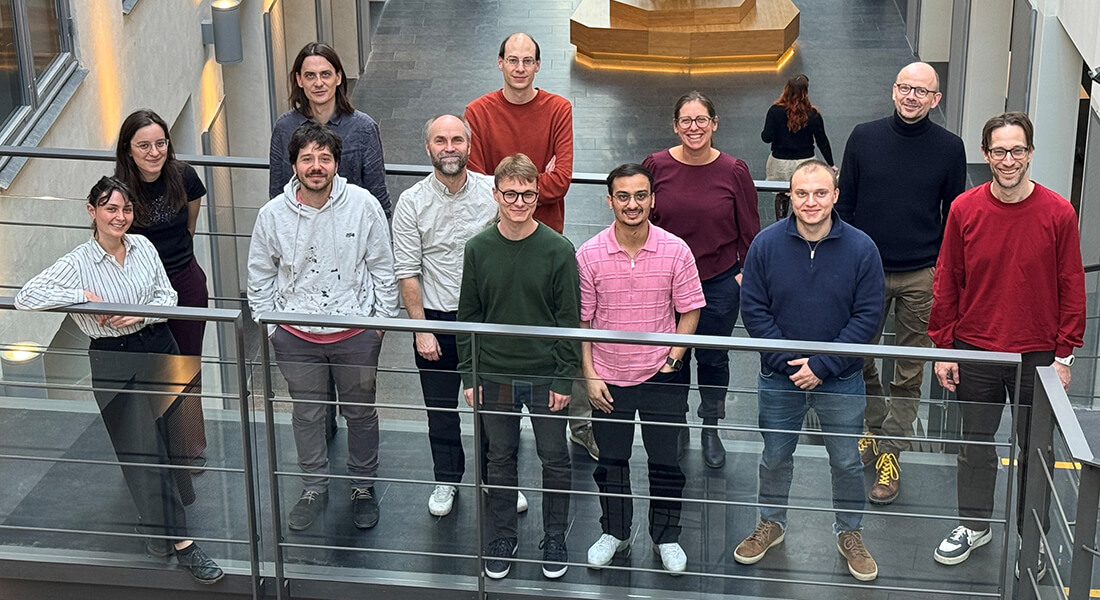
Molecular Recognition from Quantum Computing
Molecular recognition - the selective binding of a small molecule to a protein - is fundamental to biological function, from enzyme activity to drug efficacy. This process hinges on changes in free energy, arising from quantum-level interactions and entropic contributions. Accurate prediction of these free-energy changes is vital for both understanding biochemical mechanisms and for guiding drug discovery, where a molecule must bind its target with a net thermodynamic gain.
Classical models use force fields that are unable to treat key quantum effects like covalent bonding and metal centers, while quantum-chemical methods, though accurate, are too computationally demanding for large biomolecules.
Our project bridges from quantum computing to chemistry and biology to explore whether quantum computing could be transformative in simulating the electronic structure of critical regions within biomolecules more efficiently.
To do so, we have brought together experts from this diverse range of fields with the aim to build a scalable workflow compatible with emerging quantum hardware, combining quantum simulations of reactive regions with classical models of the broader system. Central to this effort will be FreeQuantum, our computational pipeline that will integrate quantum embedding, enhanced configurational sampling, and machine learning to refine force fields using quantum data. Our efforts build in parts on our prior joint work, where we have demonstrated separate proof-ofprinciple aspects of the pipeline.
With access to leading quantum processors as well as competitive electron correlation embedding technology, we aim to show that the integrated pipeline FreeQuantum is robust and scalable, and capable of accurate molecular recognition predictions. We will investigate the scope of applicability by studying binding pose prediction and ligand–target selectivity in e.g. GRP78 and PARP, aiming to show the potential for real-world quantum computing impact on drug discovery.
PIs
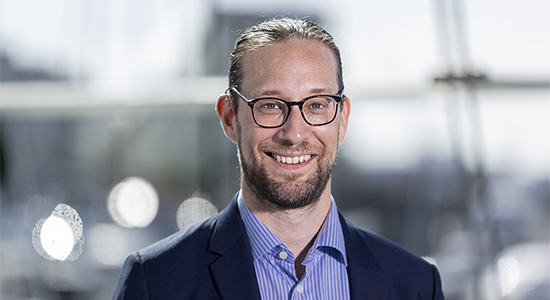 |
Matthias Christandl |
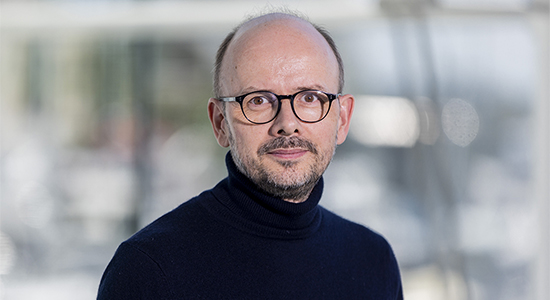 |
Markus Reiher |
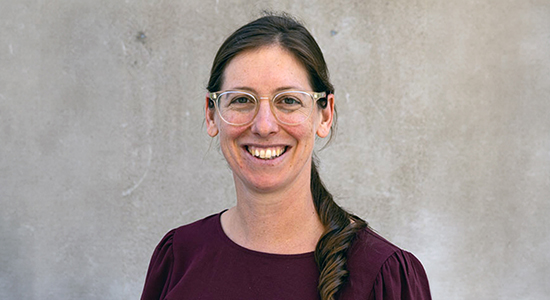 |
Gemma C. Solomon |
 |
Kresten Lindorff-Larsen |